 EN
EN


Implement a three-year subsidy to electrify construction machinery and replicate passenger cars?
Implement a three-year subsidy to electrify construction machinery and replicate passenger cars?
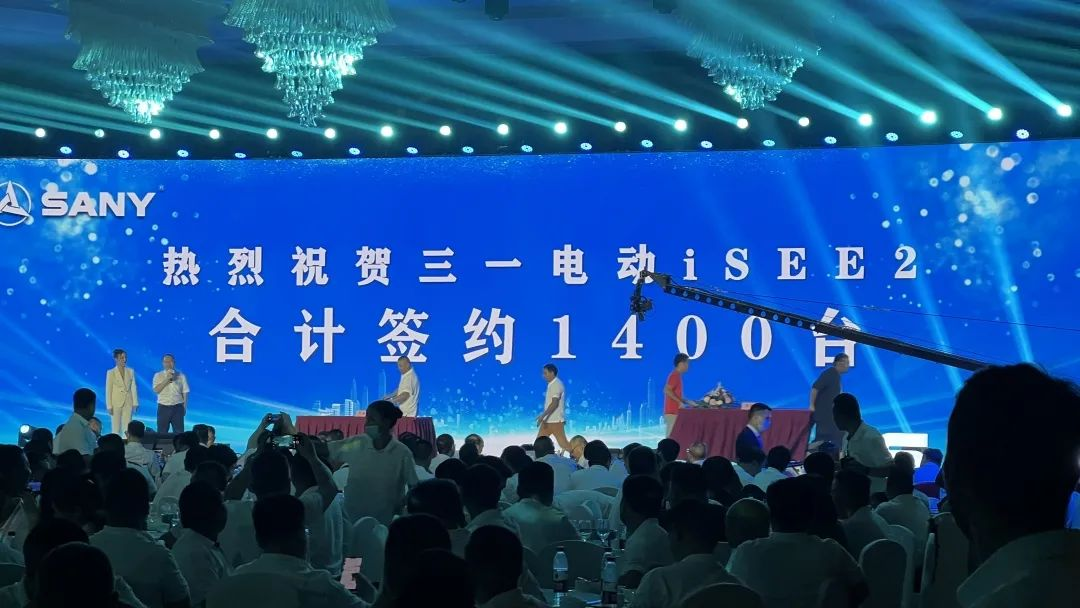

It is imperative to support new energy resources construction machinery
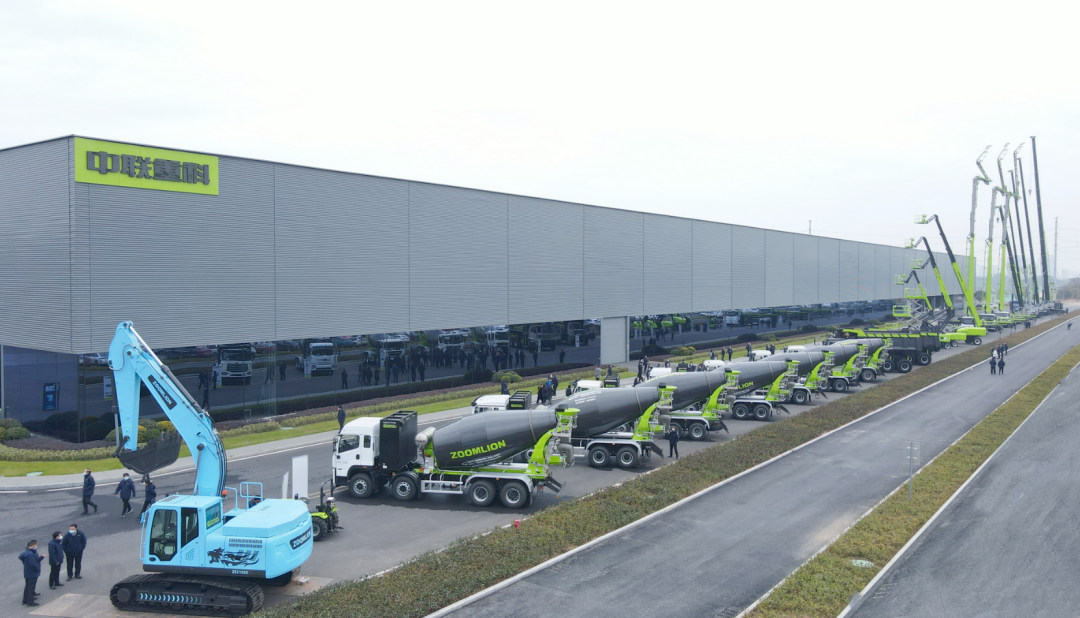
The development of electric construction machinery is not only the future trend and direction, but also the realistic need.
First, the carbon emissions of traditional oil-burning construction machinery lead to high energy consumption and environmental pollution. Data show that the total diesel consumption of construction machinery accounts for about one third of the national total. The average high-emission construction machinery emissions are equivalent to the emissions of 30-50 household cars combined, and some old construction machinery that has been used for too long emits even more. According to estimates, China's total annual carbon emissions of construction machinery more than 200 million tons. Electric construction machinery is basically zero emission and can better solve the environmental problems caused by carbon emissions.
Secondly, the real demand for low carbon construction is growing rapidly, which has spawned the demand for electric construction machinery. Ecologically fragile areas such as Sichuan and Tibet have high environmental requirements, and electrified products can greatly reduce the environmental impact of construction. There are also some enclosed spaces and tunnel construction, which are characterized by poor ventilation conditions, insufficient oxygen, and low operation sustainability, and electrification products can effectively ensure construction progress and shorten the construction period.
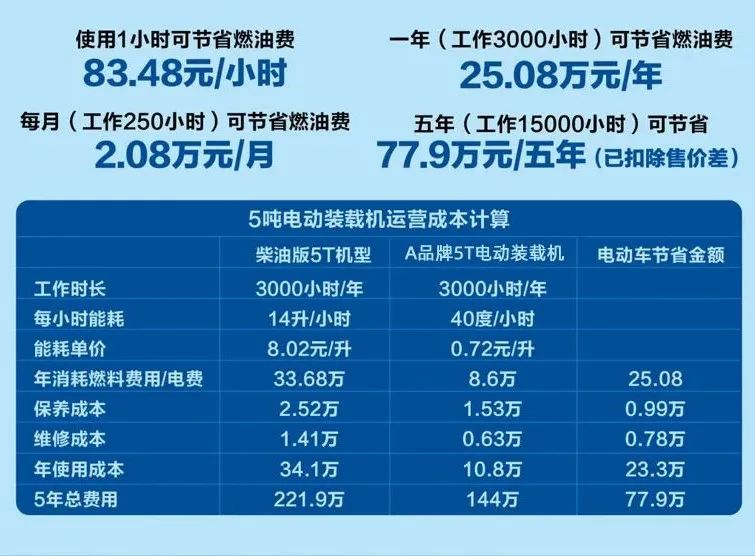
In addition, the lower cost of electric construction machinery has become one of the main reasons for its increasing popularity.


Electric construction machinery still faces difficulties
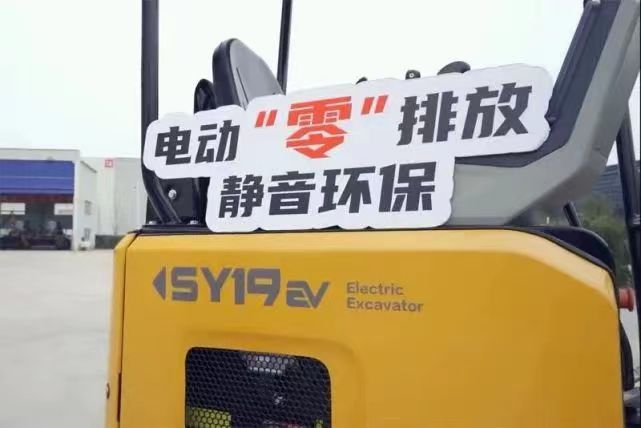
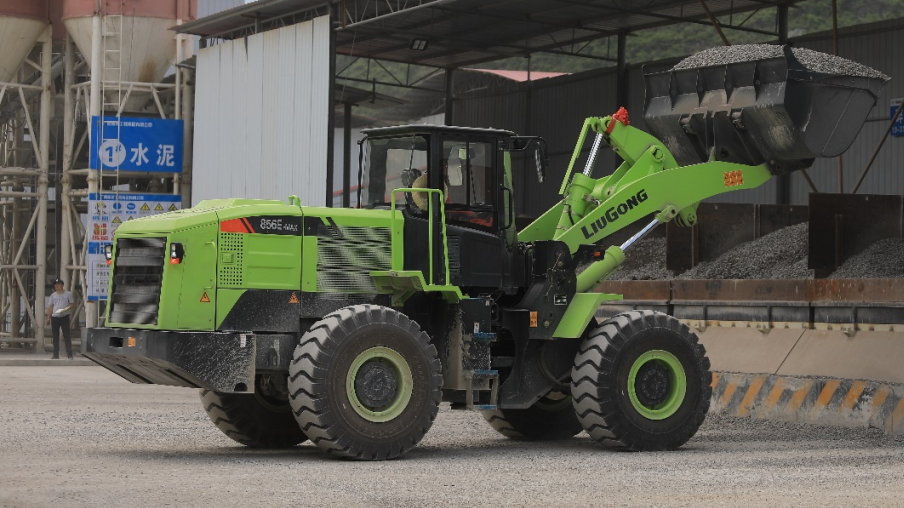
Since electric construction machinery has so many advantages, it should advance triumphantly all the way in the market, but the reality is not satisfactory. At present, the penetration rate of new energy resources construction machinery in China is still less than 1%. Take loaders, for example, a total of 123355 loaders of all kinds were sold in 2022, and the sales of electric loaders in the year was only 1160 units, less than 1% of the total sales.
Why does this happen? There are several reasons for our analysis:
First, the cost of buying and replacing spare parts is high. Although the cost of electric construction machinery has been greatly reduced, the cost of manufacturing or one-time purchase has remained high. For example, the price of a pure electric loader is about 800 thousand yuan, while the price of a fuel loader is about 350 thousand yuan, and the middle price difference is as high as 450,000 yuan. This kind of large difference is also a common phenomenon in other types of electric construction machinery.
Second, the battery life is short, and the performance is constantly decaying during use. At this stage, most of the construction machinery used are lithium batteries and lithium iron phosphate batteries. The number of charges and discharges of better-performing lithium batteries generally does not exceed a thousand times, and even if the battery is charged only once a day, the life of the lithium battery does not surpass 3 years. Lithium iron phosphate batteries can be charged about 2,000 times under reasonable charge and discharge, and their service life is only about 5 years. Therefore, in terms of the service life of the battery alone, there is a significant gap compared to traditional diesel engines.
Third, electrification support facilities and services are lagging, and the working environment is limited. The daily working environment of construction machinery is usually harsh, with high temperature, high dust, and high vibration, and high requirements are put forward for the quality of the battery and motor of the product. Moreover, the speed of construction machinery is low, most products cannot be driven on the road, difficult to achieve long distances and frequent mobile charging, and often requires additional support facilities.


Policy support to accelerate the improvement of the industrial chain


 ONLINE