 EN
EN


Have you ever been cheated? The identification guide for imported used excavators in Japan, learn fire eye and gold eye!
Time : 2025-11-24
Have you ever been cheated? The identification guide for imported used excavators in Japan, learn fire eye and gold eye
Japan imports second-hand cell phones, a word that makes excavator drivers love and hate. The quality of Japanese used machinery is well known and is the best machine that drivers can buy. But I believe there are many people who have been badly victimized by the machine dealers (who often don't understand Japanese excavators themselves, and the videos are faulty), so this time I'll talk about the importation of second-hand phones in Japan!
1. Model identification
There are so many different models that can actually be easily divided by different emission stages! Let's first look at how to distinguish different product lines from different brands!
Easy to discern, the paint and exterior design are very different from the older models and are equipped with urea. The urea box is located inside the toolbox. And this generation of Kato put the hydraulic pump on the right, which is pretty normal!
The paint is the same as the domestic -10, but there is a urea tank (noticeably long) at the back of the toolbox, and many domestic -10s are equipped with 360-degree images.
Similar to the domestic -6 paint, the toolbox location is also uranium-based, and there is a standard 360-degree image.
In addition to the urea box is basically the same as the E series, it is estimated that there are many profiteers who sell E when F, but I have no evidenceGo and see if your F has urea!
The appearance and 5A and 5B are similar, but the model painting and the -5 are different, there are urea fillers near the box, most are equipped with 360 images.
Features the same finish as the -10, with standard 360-degree imaging, and a bump (to accommodate urea SCR) on the right side of the engine compartment lid compared to the -10. The urea box is in the toolbox.
The above is Japan's 2014 emission regulation model, which is the V stage emission model, commonly known as the country five. These machines, all with urea and no DPF, are dated 2017 and later, and most are still in production. The urea tank is usually located near the toolbox (near the water tank or distribution valve for tailless engines), the engine compartment lid has a prominent bump, and there are two "canisters" on the exhaust pipe. These cars do not have DPF. However, the 8-ton machines do not require urea (HD308US-6A, SK75SR-3E, 308E2CR, PC78US-10 and ZX75US-5B and SH75X-6A).
The above three series are the world's most advanced excavators, because there is no VI stage emission requirement, so it is still V stage emission. Among them, Hitachi ZX130-7, ZX135-7, Carter's 315, 313, 308 CR and Shensteel's SK75SR-7 do not require urea but can also meet the stage V emission standards. But these things are not available to the people in Shenzhen. Exports are restricted! So just in case you'll see it.
The above are IV stage emission machinery, the common feature is that they all take DPF, and they all have a photo. Production time was 2013-17.
2. Special model
Many types of excavators are extremely rare, but in Shenzhen they are everywhere.Everyone knows the pitfalls, but these models aren't really out there, so let's take a look at these special models.
The above are some unusual tonnage. Not that there isn't, but imports from China are very small. Many bad sellers will change models to achieve the purpose of "increasing tonnage" and thus swindle users' money, for example, by selling a 200 for a 210, and then refusing to accept the bill with the phrase "appearance only for information." The really reliable way to compare is to come up with data or live car photos.
Even though the scandal is ahead, some people may still want to buy these models, so let's learn more: generally these tonnage excavators have special uses: more than 130 are used in forestry (logging or gathering materials); More than 210 are used for building demolitions or metal recovery; The 240, 250 and 260 are generally used metal recycling machines (with electromagnets or clamps, and most have liftable cabs); Most of the 350 were three-arm demolition machines. These tonnage machines had few earthmovers, were generally in poor condition relative to ordinary models (the Japanese chose the remaining), and had a high hourly duration, requiring caution if purchased.
The different model suffix also represents the different configuration of the machine (sometimes varies by brand): LC / L extended chassis type; H heavy operation type; K / D demolition type or metal recovery type; R Limestone mine type; N narrow chain plate type (European limited model); F / NM / MS forestry type; US / RR / U / SR / MR / X Tailless; UR / SR / UU / XU Tailing Arm Type...
3. Exterior features of indigenous Japanese excavators
Many of the features of Japanese domestic excavators are different from those of domestic ones, so let's take a closer look at them.
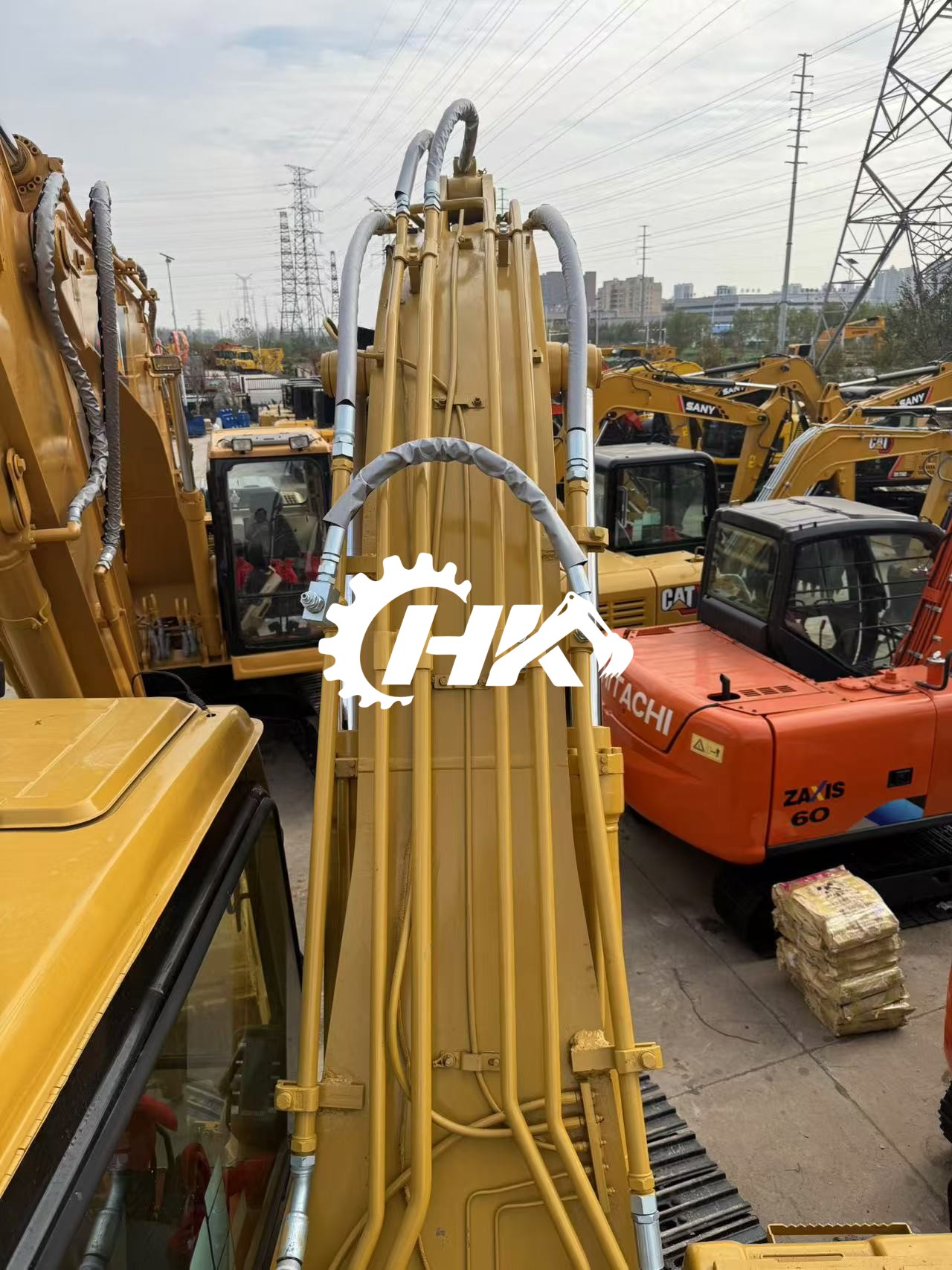
Sidearm, from 01 to 55 machines have this.
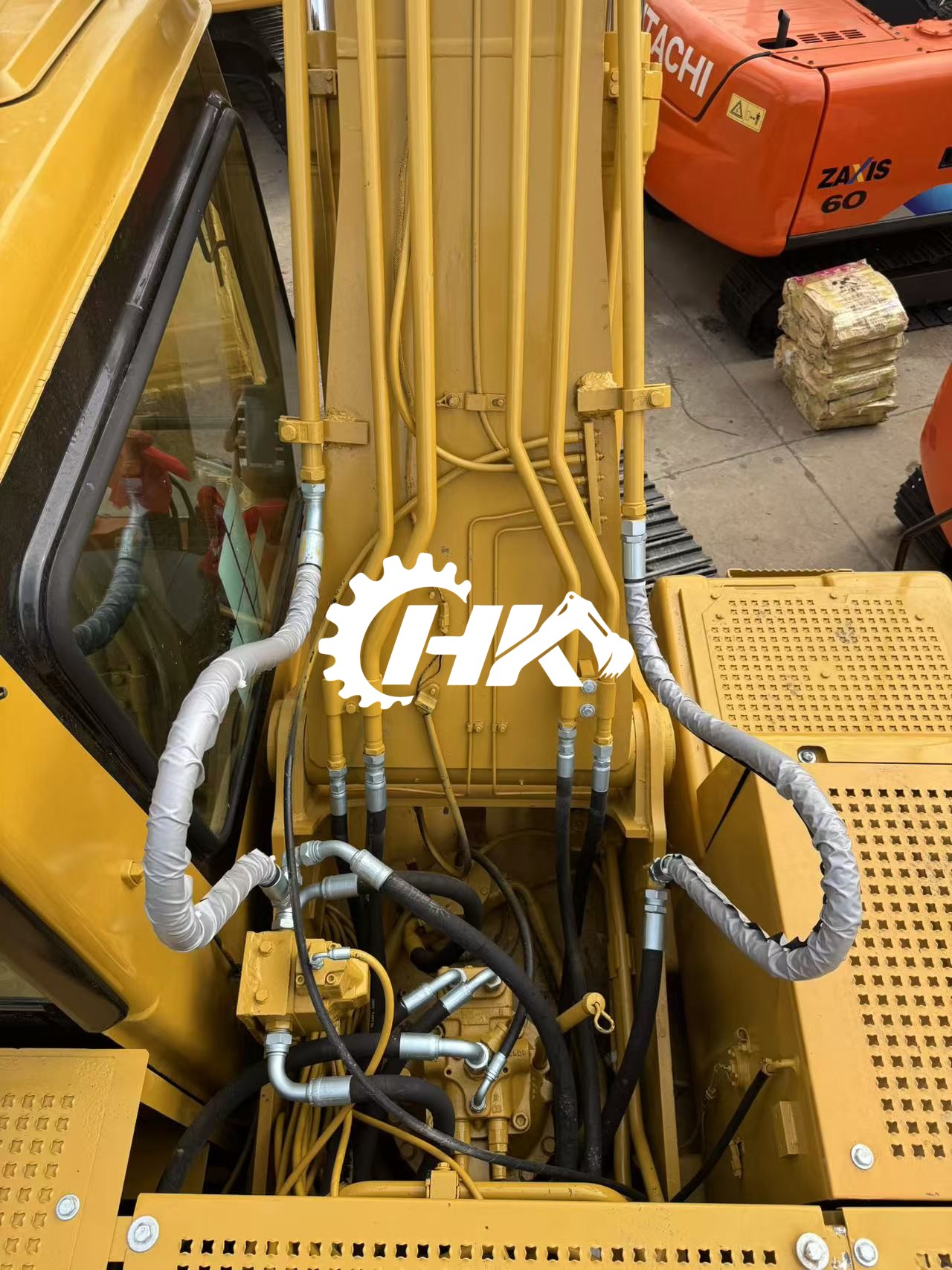
This front arm is neither compact nor flexible, and is a fool's design. Japan's own excavators don't have it.
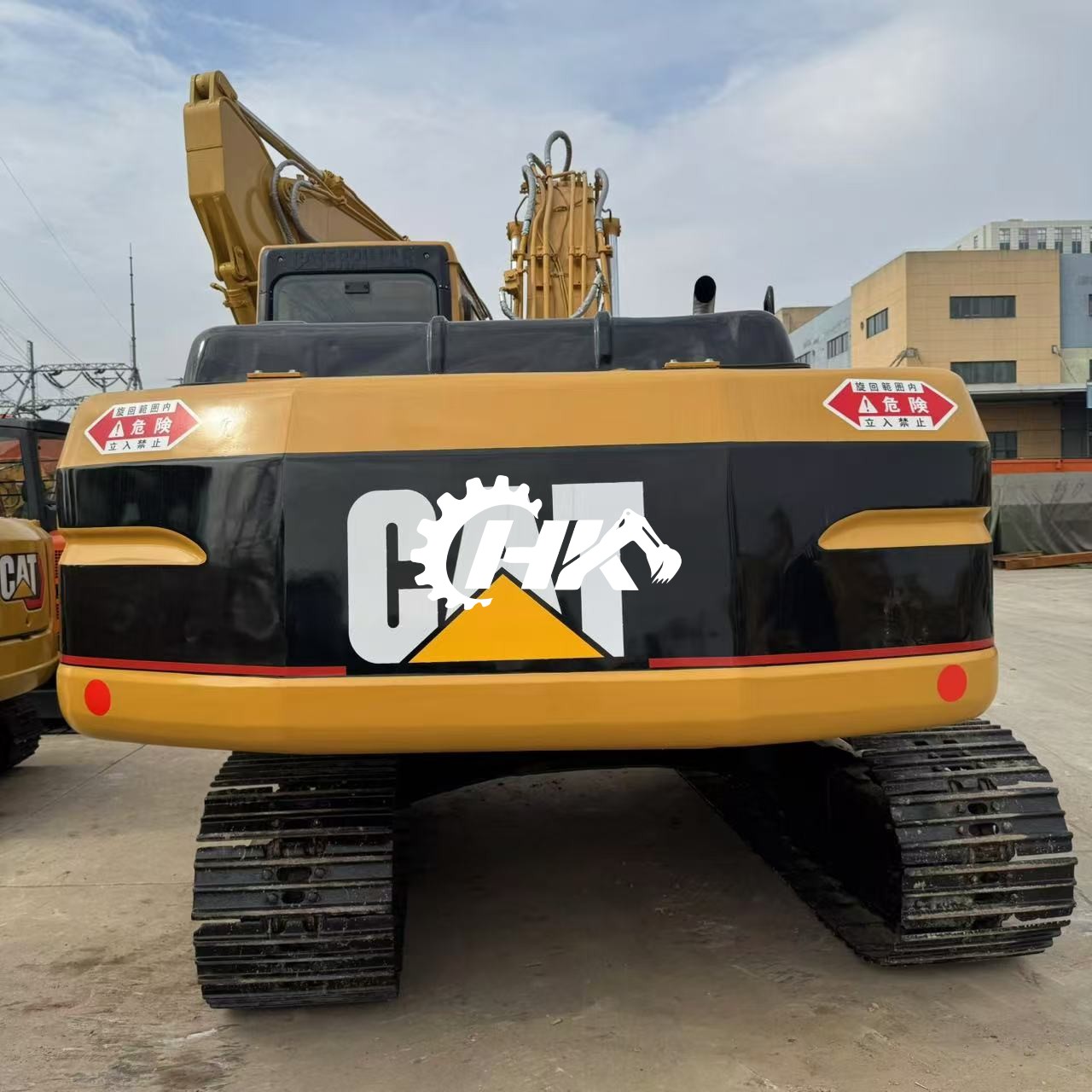
Most of the 10 tons below are tailless designs, and there are several special cases - Komatsu PC01-1A, PC60 series and Kubota K-005 series. Before 2003, there were a lot of big butt machines, but they were basically tai chi machines...
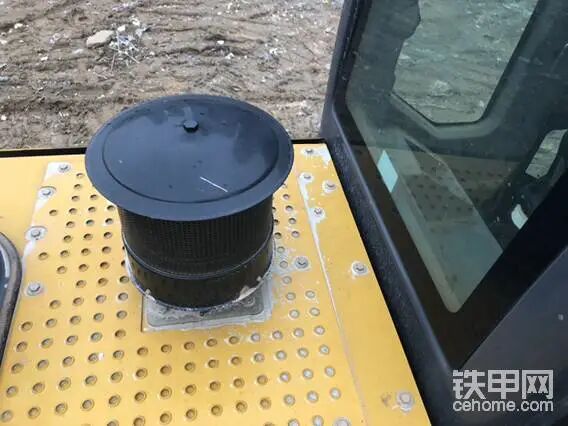
Few Japanese excavators have an air prefilter, and very few under 330. Generally speaking, this device would not have existed if there were no special requirements (large dust shop operations, building demolition operations, mine operations).
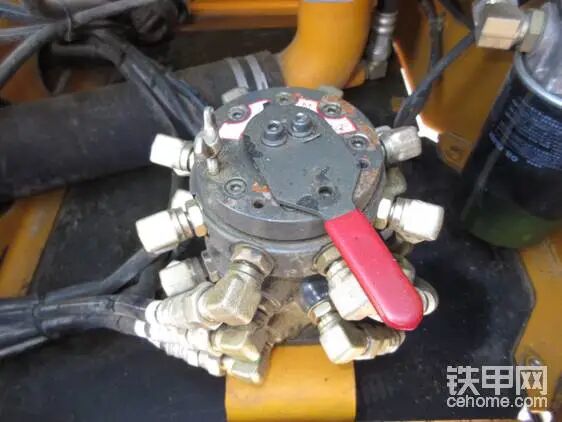
The function of the switching valve is to switch the mode of operation (including but not limited to the positive and negative hand). This is very common in Japanese excavators. It has been common since the beginning of the century. It is doubtful that anyone without this thing.
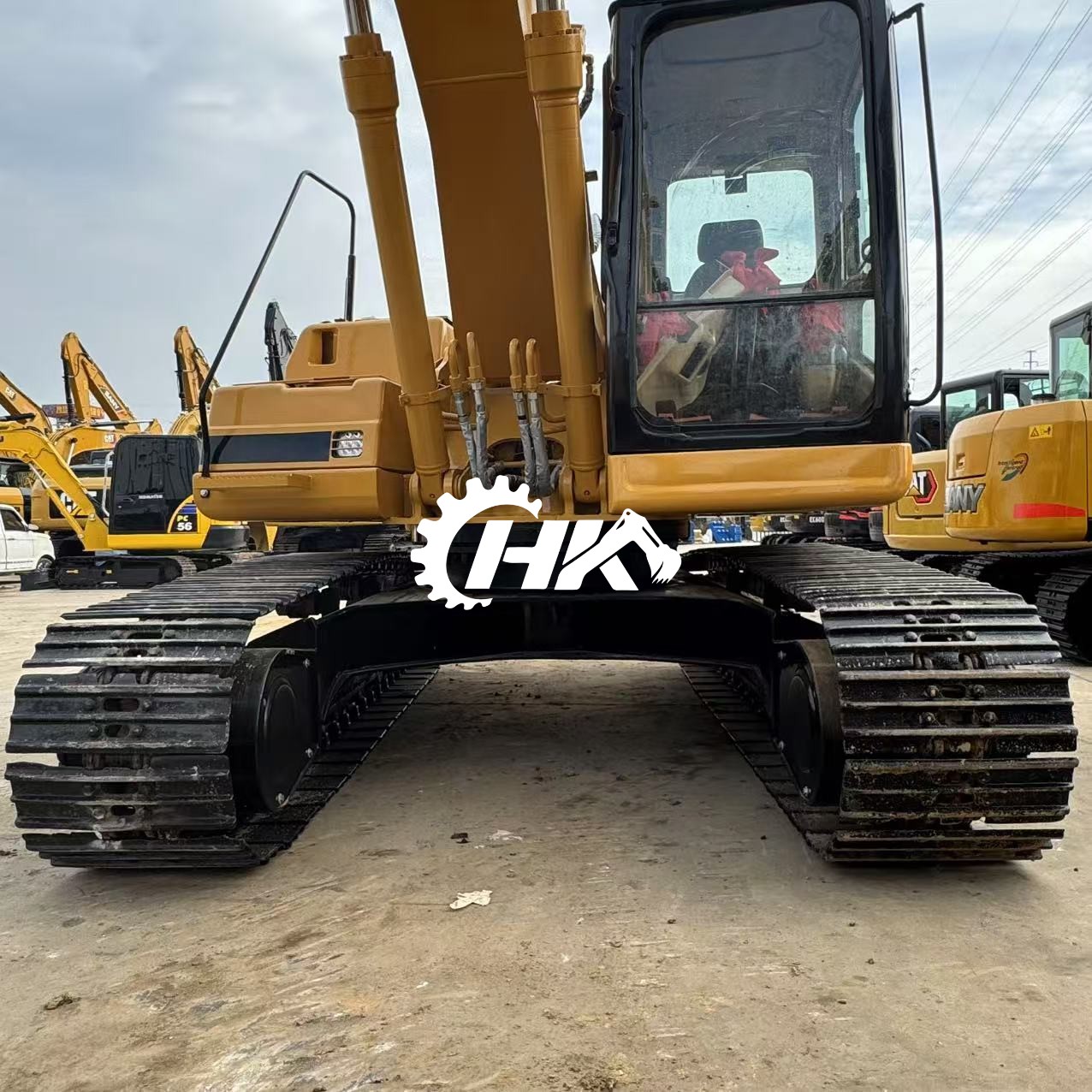
In fact, Japanese earthmoving machines do not have protective nets (many are installed domestically). In Japan, forestry and building demolition machines have such protection on the top and front of the cabs, while scrap metal recycling machines often have only front protection at most (or no protection because there are lift and suspension cabs). In addition, in accordance with the principle of doing good to the end, no excavator has only half a protective net (the kind that only covers the lower half of the glass). Different brands have different designs, but dealers often don't understand and often mix them up
4. Identification
There are many signs on Japanese construction machinery, which can also be used as a reference when choosing a machine. But the signs of rental companies or construction companies are of no reference, and many are "plastic Japanese."
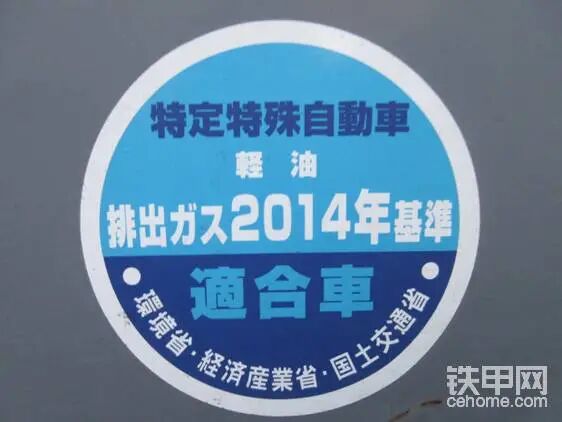
Phase V emissions
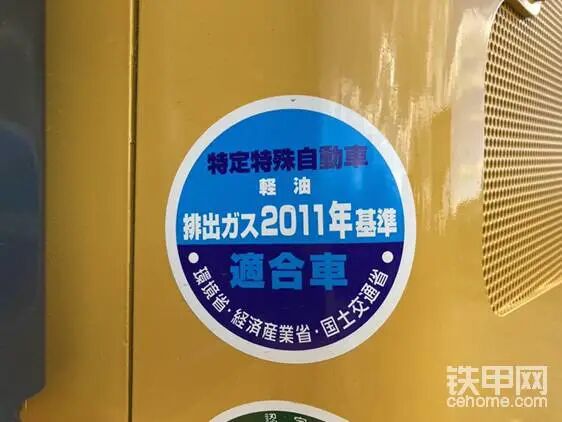
Phase IV emissions
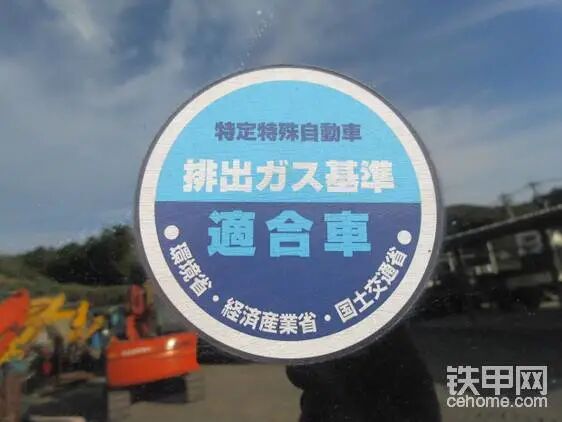
Phase III emissions
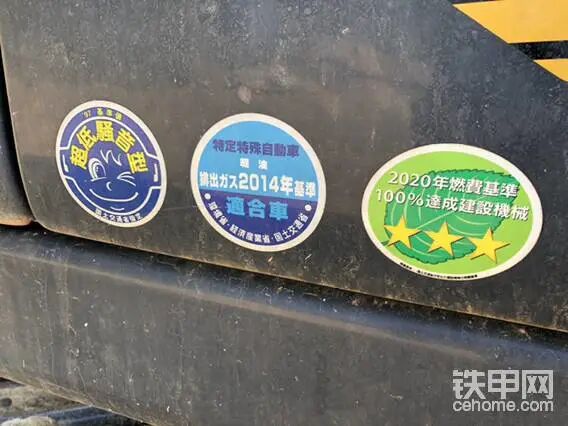
Low noise (below 97 dB, no reference value) logo and green 2020 oil standard machinery (only V stage machinery).
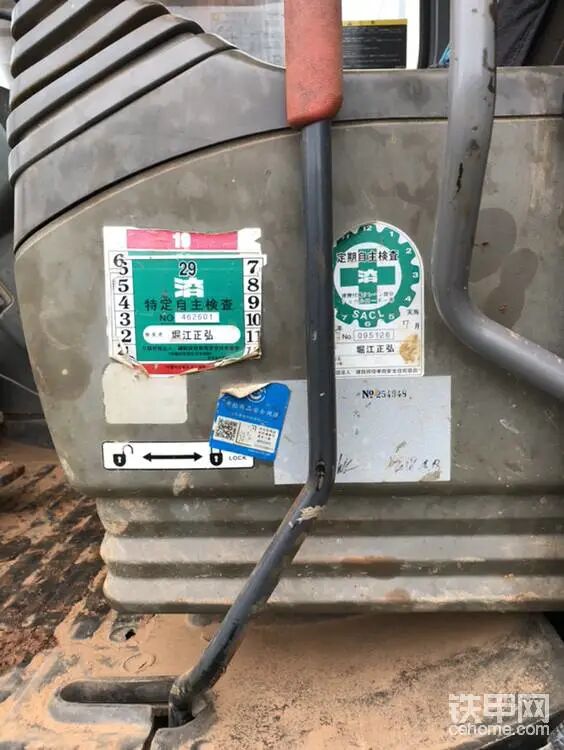
Vehicle inspection signs. The specific way to distinguish between false and false is by comparing the year month (in this case, June 29 Heisei) and the customs clearance time given by the merchant (1988 is Heisei year, 2018 is Lingyu year, please calculate).
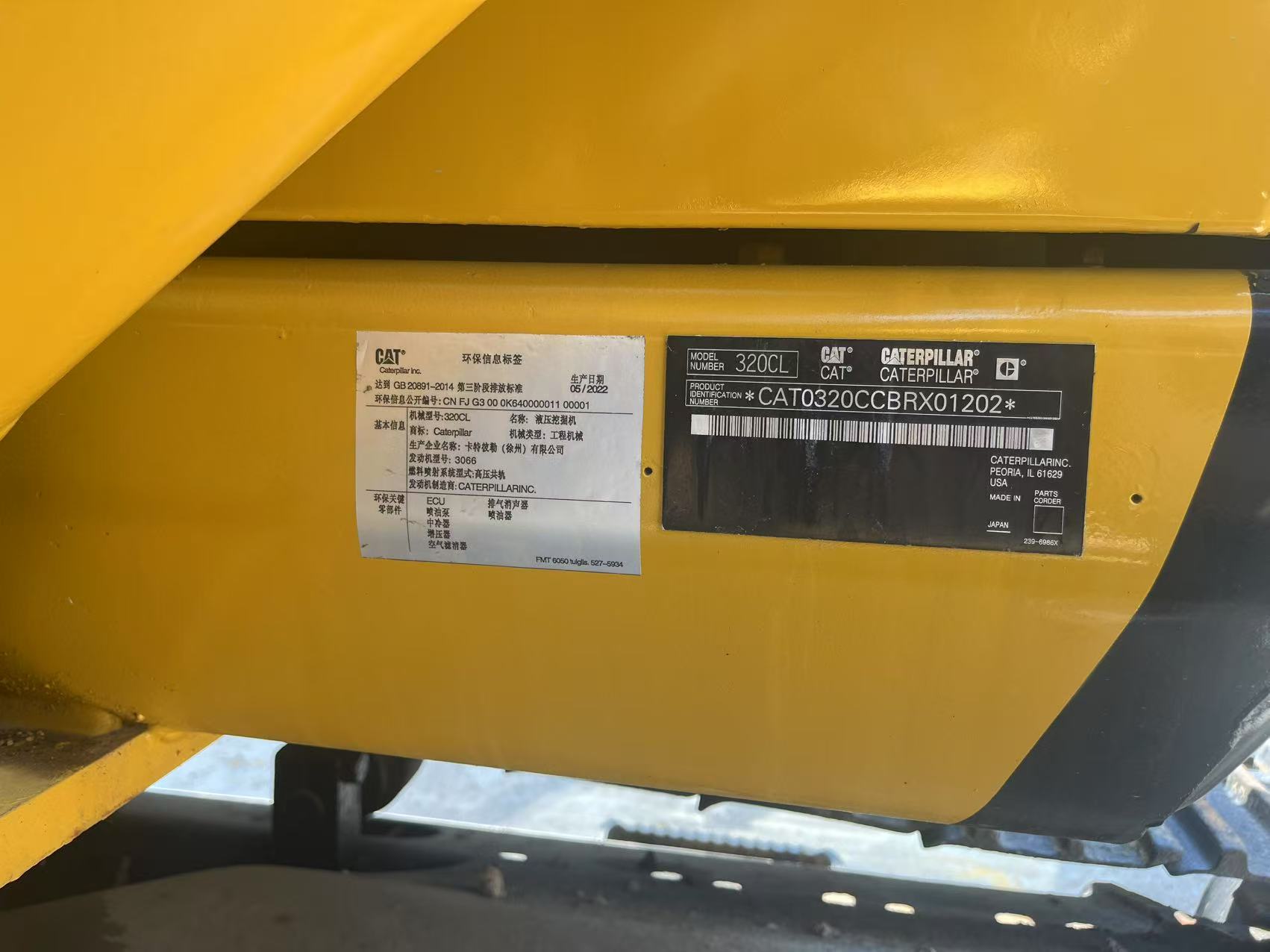
There are basic mechanical information on the doors, and those without doors are near the driver's room.
"Mobile crane" means an excavator equipped with a weighing module.
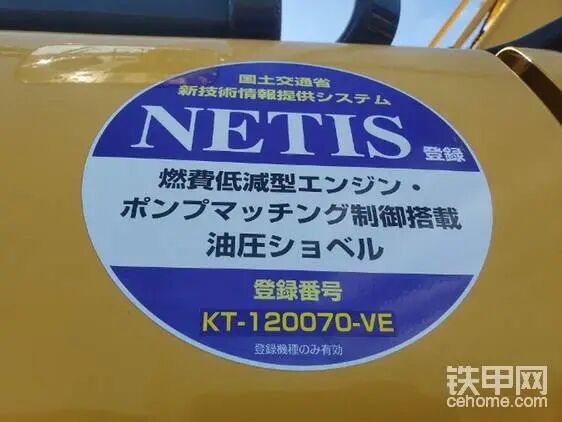
(Machinery) Technical Information Inquiry System - New Technology Information System for short NETIS. The logo of different brands is different, and generally only the IV stage emissions and later models have this logo, and there are numbers for the query of the technology used by the machinery. If you are interested or have a query, please go right➡️Web Link 'target =' _ blank '> Web Link
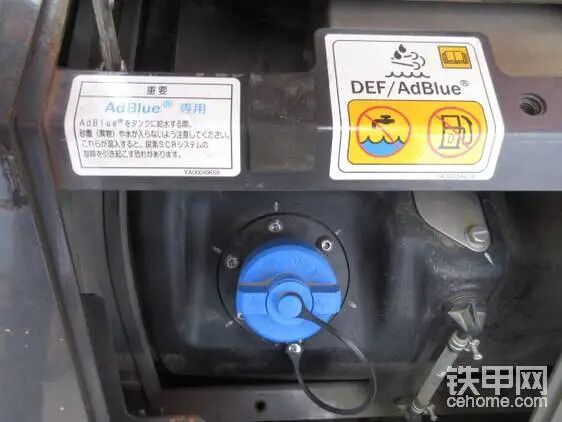
On the top right is the sign for the urea inlet. Not all excavators with urea have this sign.
5. summary
All this talk, how do you actually do it? First, there must be a customs declaration, and then:
I. Design from the distance: If the small hole has a forearm or a large butt (note the special case), the middle hole has a pre-filter, please give up.
II. Close look model: If this car is the joint venture model listed above (I believe you all know), please give up directly. The next step is to compare the coatings of the various brands listed earlier with the emission equipment of different standards. Then you need to see if the three major pieces and details match the characteristics of the car. You can also look at the nameplate (such as 07 years and later Carter 320D are "BWZ" wide chain plate type), which can ask other bigwigs, here is not a list.
III. A closer look at the appearance: here mainly to see whether the machine is a new machine. Does the protective net meet the characteristics described in this post? Does the logo conform to the model (such as PC200-8 posted 2011 is obviously wrong)? Is the painting too clean (generally the Japanese are more mechanically concerned, but that's still the saying - choose what's left)? Are there any new signs of renovation (e.g. "tear marks")? There were three types of refurbished cars, "non-hazardous" - they were repainted in Japan, and the hours were not lied about (all the signs were the same, the number was negligible, and the paint on them was almost non-defective); The "repaint" model was repainted in the country (many of which were changed for several hours); The "recycle" model, the legendary three cell phones, recycles domestic used goods and refurbishes them (never buy them anyway, you'll lose your trousers at the time).
IV. Don't trust hours! Don't believe it! Never believe it!!! Japanese excavators do have quite a few lower hourly numbers (mainly 3000 +), but still be careful. Be sure to analyze the model in conjunction with its year and appearance. And be sure to test it!
V. Bargaining problem: If your lover can get here, then congratulations! However, this time still can not be taken lightly - import prices are strong, generally only one or two W. If a business bleeds and blurts, it's probably a problem.
Finally, I have to remind everyone: in the used machinery market in Shenzhen, don't believe everything you see and hear! Only conclusions drawn from deep digging into them are the only ones that are credible!
6. A live test
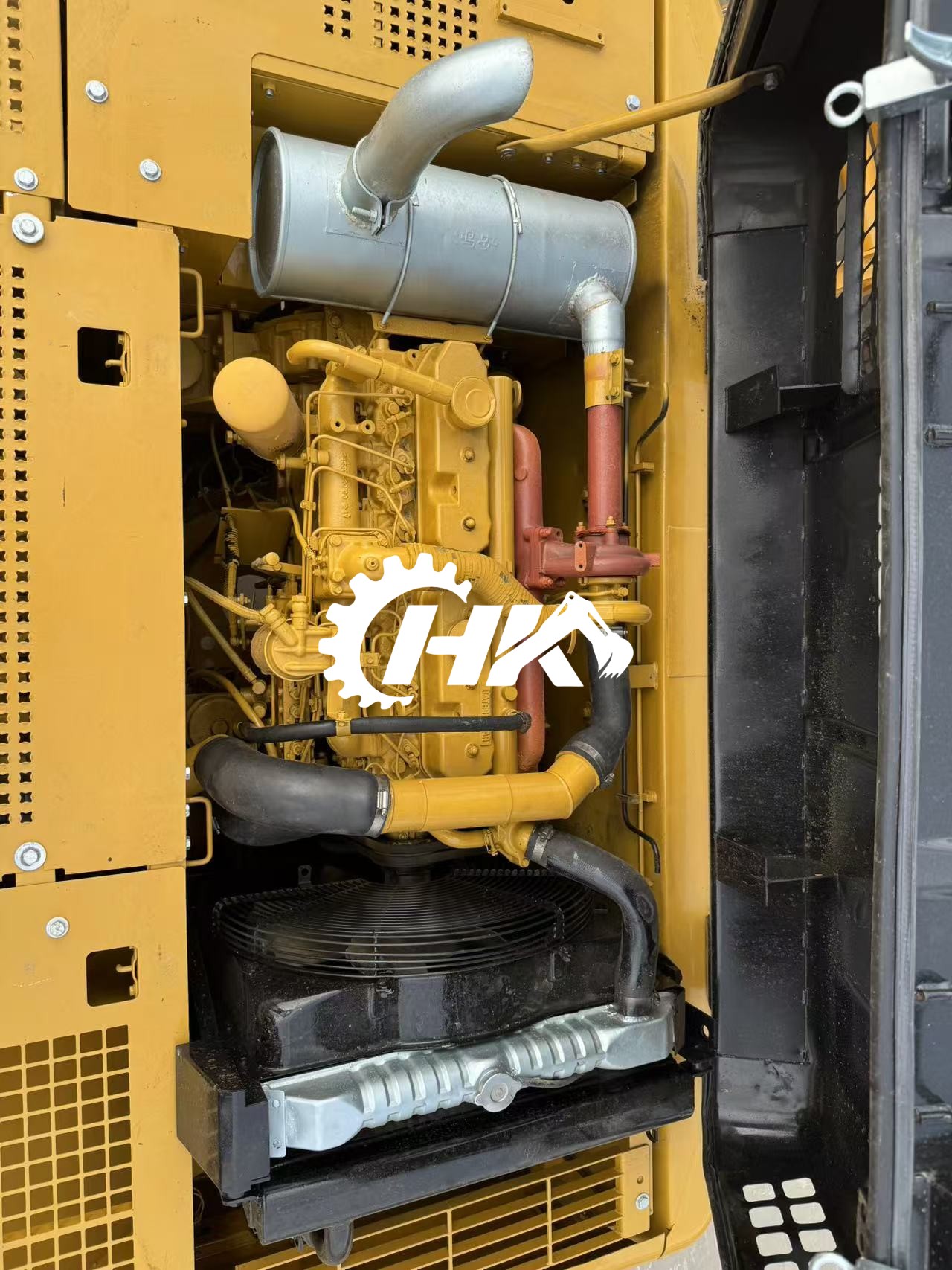
Now that we're almost finished, let's use my friend's picture to test it in action:

 ONLINE